Your Reports Aren't Broken — Your Strategy Is Stuck.
By RaiseTell Insights ·
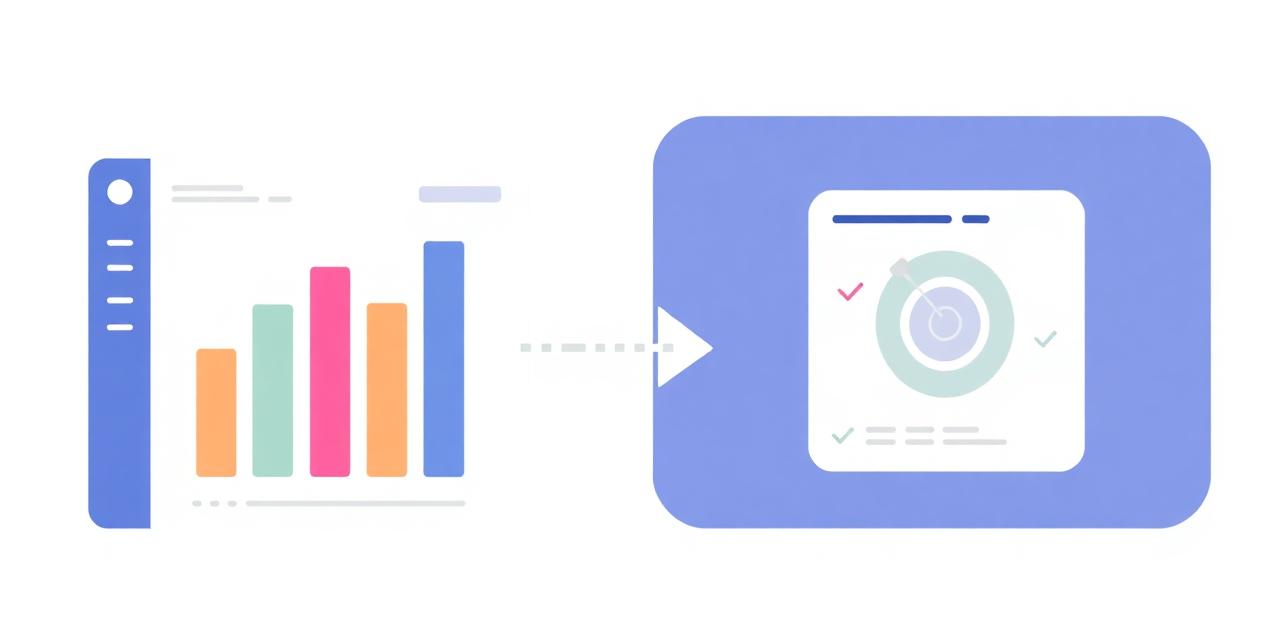
The problem isn't the data. It's what happens after you look at it.
Let's be honest about something most development teams won't say out loud: you've probably been in a meeting where someone pulled up a report, everyone nodded, and then nothing changed.
The numbers were there. The trends were visible. Someone may have even said "we really need to act on this." And then the next campaign launched the same way the last one did, the same donors got the same outreach, and the report got filed away until next quarter.
This isn't a failure of effort. It's not even a failure of intelligence. It's a failure of the system most development teams have built their strategy around — one where reporting is the end of the process instead of the beginning.
Your reports aren't broken. But if they're not changing how your team acts, your strategy is stuck.
Why Dashboards and Reports Fail to Drive Behavior Change
Reports are built to answer one question: what happened? And they're very good at that. They'll show you how last quarter performed, where dollars came from, which campaigns converted, and how retention trended year over year.
But "what happened" is the past. And the past — no matter how clearly you can see it — doesn't tell your team what to do Monday morning.
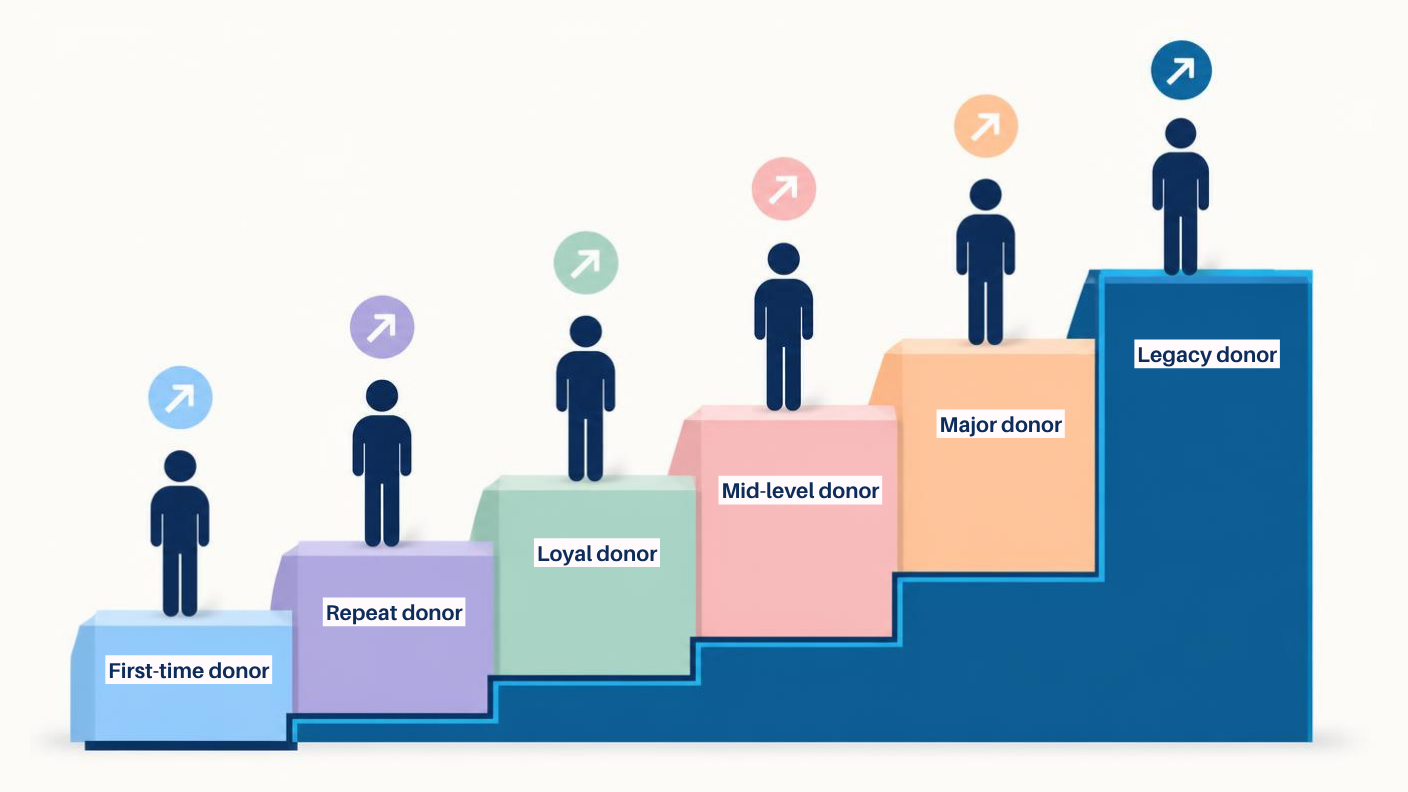
This is the fundamental design flaw of most reporting culture in nonprofits: the output is information, not action. A dashboard that shows you lapsed donor rates doesn't tell you which lapsed donors to call, what to say, or when to reach out. A year-over-year giving comparison doesn't tell you which mid-level donors are ready to upgrade or which major gift relationships are quietly cooling off.
So what happens? Teams look at the report, identify a general problem, and then rely on instinct to figure out what to do about it. Sometimes instinct is right. Often it isn't. And the gap between what the data is telling you and what your team actually does — that gap is where revenue disappears.
"Gain visibility into your performance" sounds useful. But what you actually need is to see exactly what's driving engagement and what to do next.
The Gap Between Insight and Execution Inside Development Teams
Here's a scenario that will feel familiar.
Your team pulls the quarterly report. Retention is down four points year over year. Everyone agrees it's a problem. Someone suggests a re-engagement campaign. A few ideas get floated. Then the meeting ends, everyone goes back to their existing priorities, and the re-engagement campaign gets added to the list of things you'll get to eventually.
Three months later, retention is down another two points.
This is the insight-to-execution gap — and it's one of the most common and costly problems in nonprofit fundraising. It's not that teams don't understand what the data is saying. It's that understanding a problem and having a clear, immediate path to act on it are two completely different things.
Reports create insight. But insight without a clear next step doesn't change behavior. It creates awareness of a problem without the momentum to solve it. And in a world where donor relationships move in real time — where the window to re-engage a lapsing donor can close in a matter of weeks — awareness that arrives too late is the same as no awareness at all.
The organizations that close this gap aren't doing it by running more reports or building better dashboards. They're doing it by replacing the question "what happened?" with "what do we do now?"
"The patterns are there — but they're buried in noise, disconnected systems, and unclear reporting. That's where most teams stay stuck."
How Analysis Paralysis Stalls Revenue Growth
There's another version of this problem that's even harder to see — because it looks like diligence.
Some development teams don't suffer from too little data. They suffer from too much of it. They have CRM reports, giving history exports, campaign analytics, wealth screening data, and engagement scores — all of it sitting in separate places, requiring separate logins, and telling slightly different stories depending on how you slice it.
So before anyone can act, someone has to reconcile the data. Then someone has to analyze it. Then someone has to present it. Then the team has to discuss it. Then a decision gets made — weeks after the window to act was most open.
This is analysis paralysis. And it's costing organizations real revenue, not because their data is wrong, but because the process of turning data into action is so slow and so complicated that by the time a decision gets made, the moment has passed.
The mid-level donor who was showing every signal of upgrade readiness three weeks ago has since given elsewhere. The lapsed donor who was most likely to re-engage after a personal outreach has since decided they've moved on. The major gift conversation that should have happened in October got pushed to January, and now the fiscal year is closed.
Every week of delay is a week of missed opportunity. And in a competitive giving environment where donor dollars are finite and attention is scarce, those missed opportunities don't just affect this year's goal — they compound.
The Shift That Changes Everything: From Reporting to Guided Action
The answer isn't to stop reporting. Reports have a place — for board accountability, organizational transparency, and long-range strategic planning. But for the day-to-day decisions that actually drive revenue, reports are the wrong tool.
What development teams need isn't more visibility into the past. They need a clear, immediate path to the right action in the present.
That shift looks like this:
- Instead of a dashboard that shows lapsed donor rates, your team gets a specific list of the twelve donors most likely to re-engage right now — with context on each one and a recommended next step.
- Instead of a year-over-year giving comparison, your team gets a flagged list of mid-level donors showing upgrade signals — along with suggested ask amounts based on their individual giving trajectory.
- Instead of a retention report that surfaces a trend, your team gets an alert when a high-value relationship starts showing disengagement patterns — early enough to do something about it.
This is the difference between information and intelligence. Between reporting and guided action. Between knowing something happened and knowing exactly what to do next.
The best development teams aren't just better at reading reports. They've changed what they expect from their tools entirely — moving from systems that document performance to systems that drive it.
What Execution-Driven Fundraising Actually Looks Like
When development teams make this shift, the change isn't just operational. It's cultural.
Meetings stop being about reviewing what happened and start being about confirming what's already in motion. Gift officers start their week with a clear priority list instead of a blank calendar and a vague directive to "focus on major gifts." Decisions get made faster because they arrive pre-contextualized — with the relevant data already surfaced and the recommended action already clear.
And the feedback loop tightens dramatically. Instead of waiting until end of quarter to find out a campaign underperformed, teams can see in real time which actions are working, adjust quickly, and stay focused on the highest-impact opportunities at every moment.
This is what proactive fundraising looks like in practice. Not busier. Not louder. Smarter, faster, and grounded in clarity at every step.
From Stuck to Executing: How RaiseTell Changes the Workflow
RaiseTell was built specifically to close the gap between insight and execution — because we've seen firsthand what happens when development teams have great data but no clear path to act on it.
Insight Action Cards are the core of how it works. Instead of presenting data and leaving your team to figure out what to do with it, each card surfaces a specific opportunity or risk — already contextualized, already prioritized, already paired with a recommended action. Your team doesn't have to interpret the data. They just have to act on it.
The goal isn't to eliminate reporting. It's to make sure that reporting is never the last thing that happens. That every insight has a path to action. That every pattern gets acted on before it's too late.
Your reports aren't broken. But if they're the end of your strategy instead of the beginning, it's time to change the workflow.
Clarity leads to action. Action leads to predictable growth.