You Don't Need More Donors in 2026. You Need More Clarity.
By RaiseTell Insights ·

Ask most nonprofit leaders what their growth plan looks like, and you'll hear some version of the same answer: more donors. More acquisition campaigns. More outreach. More volume.
It makes sense on the surface. But here's the truth most development teams don't want to sit with: you're probably already sitting on the revenue you need. It's in your existing donor base — buried in patterns you haven't been able to see clearly enough to act on.
The organizations that will grow the fastest in 2026 won't be the ones that find the most new donors. They'll be the ones that understand the ones they already have.
"The future of fundraising isn't more outreach — it's smarter outreach, powered by real insight into your constituents."
The Hidden Cost of Chasing New Donors
Donor acquisition is expensive. It takes time, budget, and energy — and it rarely accounts for what's quietly happening on the other side of the equation: donors slipping away.
For most organizations, replacing a lapsed donor costs significantly more than retaining one. And yet, the default posture for most development teams is to keep the acquisition engine running while retention quietly leaks. The result is a fundraising strategy that feels busy but never really compounds.
Here's what that actually looks like in practice:
- A donor who gave three years in a row quietly stops — and no one catches it in time to re-engage
- A mid-level donor ready to upgrade never gets the ask because no one flagged the signal
- A lapsed major donor becomes someone else's major donor
None of this happens because your team isn't working hard. It happens because the patterns that would reveal these opportunities are buried in data that's never been easy to act on.
You Don't Have a Data Problem. You Have a Clarity Problem.
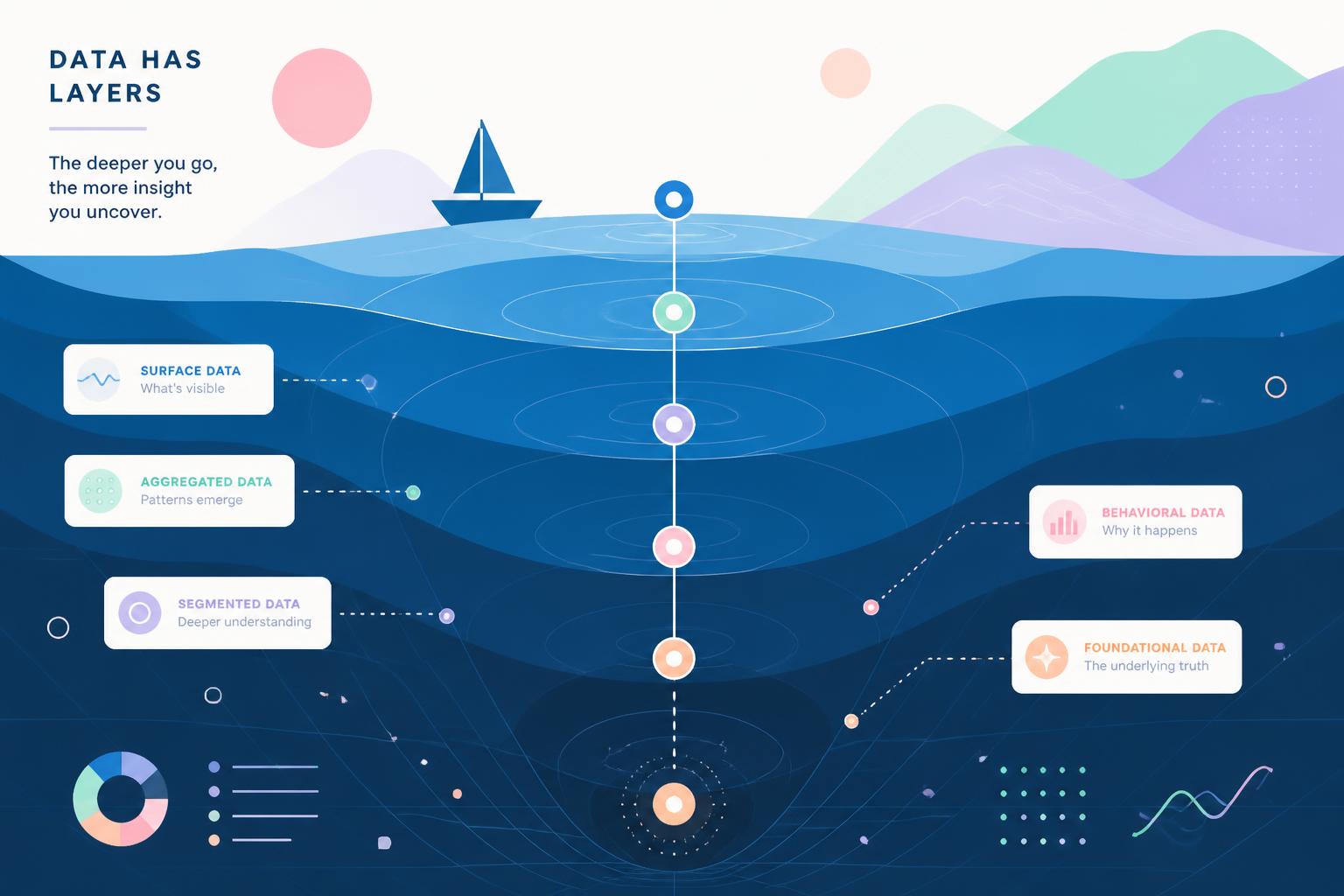
Most organizations are sitting on a goldmine of constituent data. They know who gave, when they gave, how much they gave, and how often. The patterns are there.
But knowing data exists and being able to act on it are two very different things. Most development teams are buried in reports that tell them what happened — not what to do next. They can see the numbers, but they can't see the story the numbers are telling.
That's not a technology failure. It's a clarity failure. And it's exactly why so many organizations stay stuck in reactive mode — responding to donor behavior instead of anticipating it.
"They don't lack data. They lack clarity and a path to action."
The shift that changes everything isn't more data — it's being able to see the patterns in the data you already have, understand what they mean, and know exactly what to do next.
Where the Revenue Is Actually Hiding
When development teams gain real clarity into their constituent data, three revenue opportunities almost always surface immediately:
1. Retention gaps. Donors who are on the verge of lapsing but haven't yet. These are your highest-leverage relationships — the ones where a timely, personal touchpoint can save the gift and deepen the relationship. Without clarity, they disappear before anyone notices.
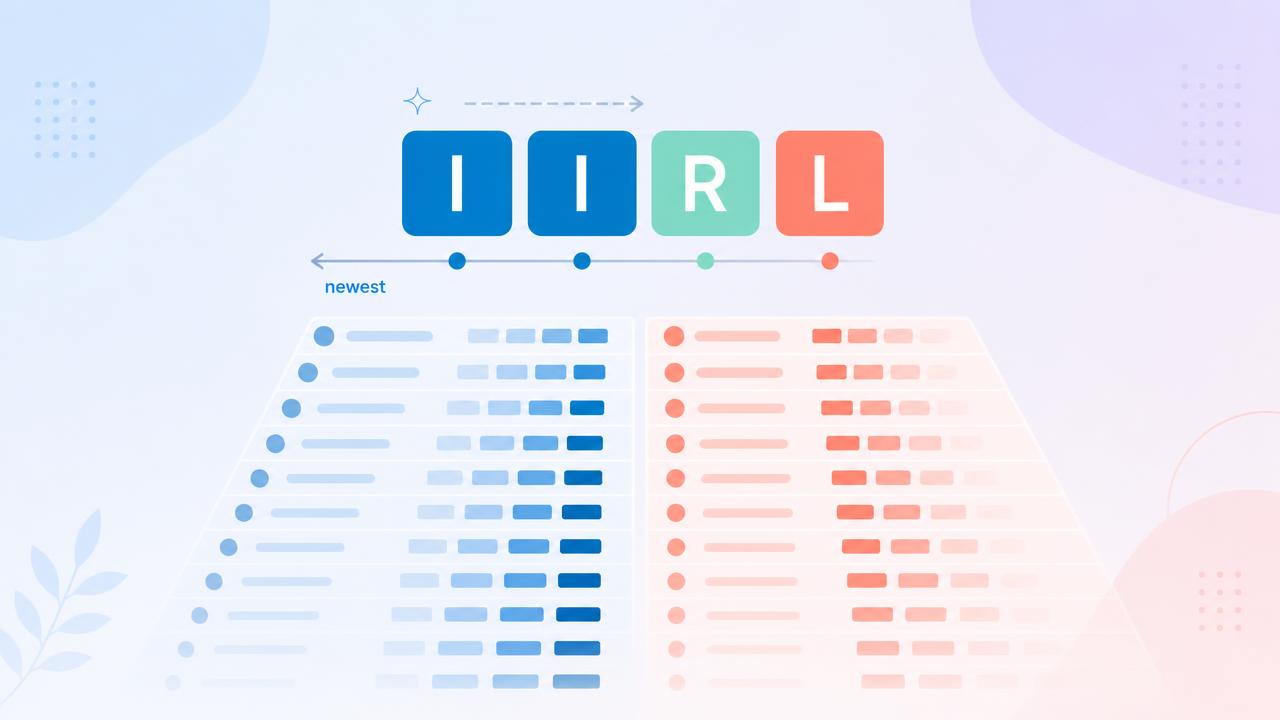
2. Upgrade opportunities. Donors who are giving at a level well below their capacity or engagement. They've shown you the signals — frequency, recency, responsiveness — but without the right analytics, those signals get lost in the noise. These are the donors most likely to say yes to a larger ask when approached the right way at the right time.
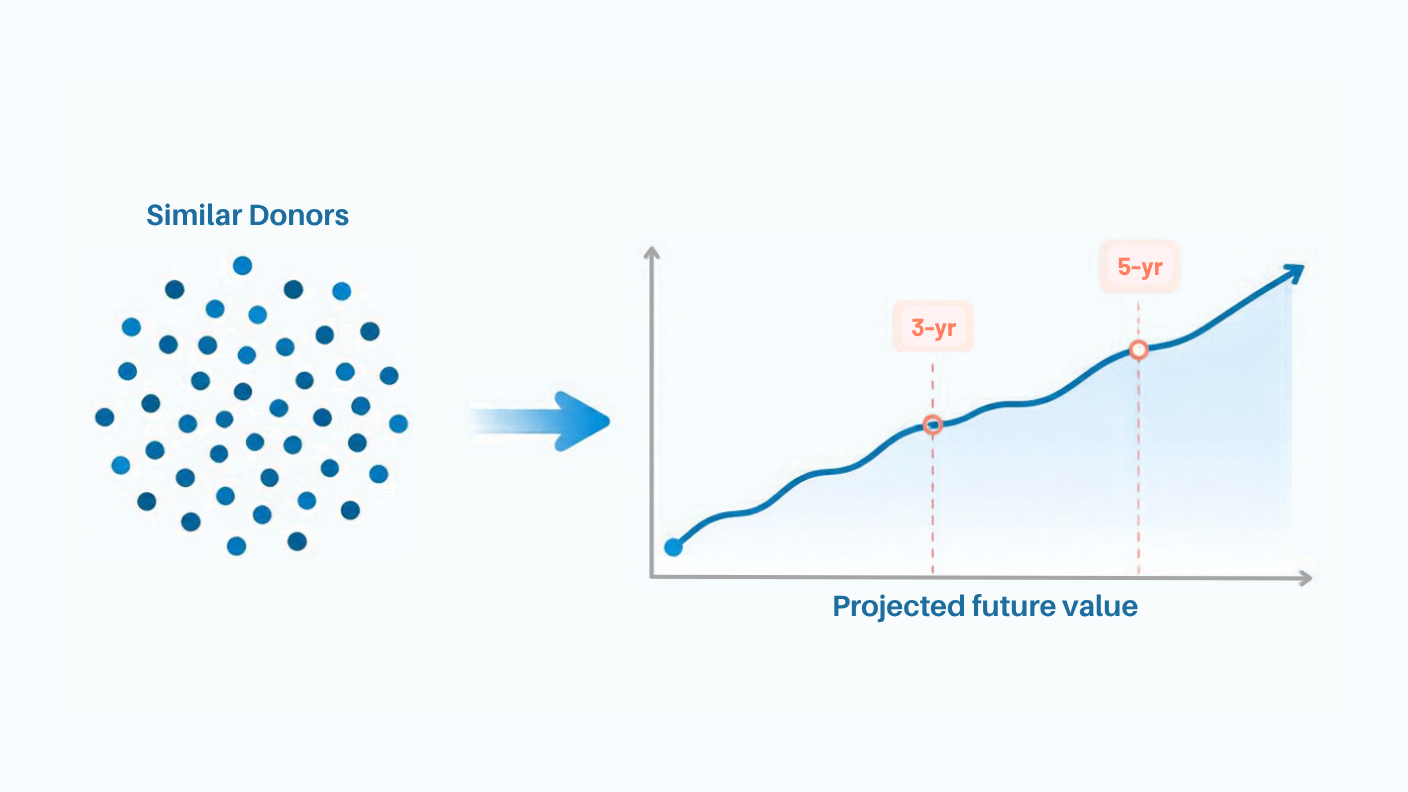
3. Recapture opportunities. Lapsed donors who haven't gone cold — they've just gone quiet. With the right constituent intelligence, you can identify which lapsed donors are most likely to re-engage and what kind of outreach will bring them back.
These three categories alone can represent significant untapped revenue for most organizations — revenue that's already in your database, waiting to be seen.
Proactive vs. Reactive: The Difference That Drives Growth
The organizations that will take donor share in 2026 won't be the loudest or the biggest. They'll be the most intentional. They'll be the ones who shifted from building standard reports for historical review to using constituent intelligence to get ahead of what's coming.
Reactive fundraising looks like this: run the campaign, see how it performed, adjust for next time. The feedback loop is slow and the cost of missed opportunities is invisible.
Proactive fundraising looks like this: know who to prioritize before the campaign launches, understand what ask will land for each segment, and act on the signals your donors are already sending you. The feedback loop is fast and every decision is grounded in clarity.
"When you understand your audience, you engage better, retain longer, and raise more."
The difference between these two approaches isn't effort — it's intelligence. And right now, the organizations leaning into constituent intelligence are quietly building a competitive advantage that will be very hard to close.
Constituent Intelligence: Clarity → Action → Revenue
This is the idea at the heart of everything we built RaiseTell to do.
Constituent Intelligence isn't a nice-to-have. It's the foundation of growth and predictability for any organization that wants to stop guessing and start executing with confidence. It's what turns overwhelming donor data into simple, usable insight. It's what bridges the gap between knowing what happened and knowing what to do next.
When development teams have real constituent intelligence — when they can see the patterns clearly — three things happen:
- They engage better, because they know who to reach and what will resonate
- They retain longer, because they catch the signals before donors slip away
- They raise more, because they're focused on the right people at the right time with the right ask
That's the shift from reactive to proactive. From historical reporting to forward-looking intelligence. From guessing to knowing.
You don't need more donors in 2026. You need a clearer picture of the ones you already have — and a faster path from that clarity to action.
See the patterns in your donor data. RaiseTell's Constituent Intelligence Platform helps development teams identify retention gaps, upgrade opportunities, and recapture potential — and act on them with confidence.